

















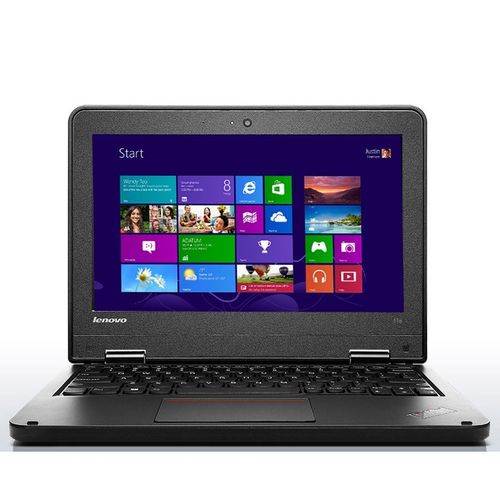
Quick answer: the best laptops for students in Kenya 2026 are affordable, reliable, easy to repair, and strong enough for the student's course. For most students, a clean HP EliteBook, HP ProBook, Dell Latitude, Lenovo ThinkPad, or Lenovo IdeaPad with at least 8GB RAM and SSD storage is a better choice than a very cheap laptop with slow storage. If the budget is tight, compare laptops under 15k in Kenya. If you can spend a little more, our best laptops under 20k in Kenya guide is a good next step.
Best Laptops for Students in Kenya 2026: What Matters Most
Choosing a student laptop in Kenya is not only about buying the cheapest machine. A student needs a laptop that can handle assignments, research, online classes, Microsoft Office, Google Docs, Zoom, PDFs, browsing, and normal school projects without becoming slow after a few weeks. For university and college students, the right laptop should also match the course. A business student may need a different laptop from a programming student, a design student, or an engineering student.
The best student laptop should balance price, speed, battery life, durability, keyboard comfort, and after-sale support. Many students buy refurbished business laptops because they offer stronger build quality and better performance for the money. A well-kept refurbished HP, Dell, or Lenovo can serve a student better than a new but very weak entry laptop. The key is to check the specifications, battery, charger, screen, keyboard, and warranty before buying.
Student Laptop Price Guide in Kenya
| Budget Range | Best For | What to Look For |
|---|---|---|
| Under KSh 15,000 | Basic assignments, typing, browsing, online classes, and light research. | Refurbished laptop, working battery, good charger, usable keyboard, and SSD if possible. |
| KSh 15,000 - KSh 25,000 | College work, Microsoft Office, Zoom, PDFs, research, and everyday student use. | Core i3 or Core i5, 4GB to 8GB RAM, SSD storage, and strong battery condition. |
| KSh 25,000 - KSh 40,000 | University students, business courses, coding beginners, and multitasking. | Core i5, 8GB RAM, 256GB SSD, clear screen, good keyboard, and reliable build quality. |
| KSh 40,000+ | Programming, design, engineering, statistics, data work, and heavier multitasking. | Core i5 or Core i7, 8GB to 16GB RAM, SSD, better display, and upgrade options. |
Minimum Laptop Specs for Students
For basic school work, a student can survive with 4GB RAM, but 8GB RAM is much better in 2026 because browsers, online classes, and office software use more memory than before. SSD storage is also very important. A laptop with an SSD will boot faster, open apps faster, and feel smoother than a laptop with an old hard drive. If two laptops are close in price, choose the one with SSD storage and better battery health.
For the processor, Core i3 can work for simple tasks, but Core i5 is the safer choice for most students. A Core i5 laptop with 8GB RAM and a 256GB SSD is a strong middle-ground option for college and university. Core i7 is useful for students doing heavier work, but it is not always necessary. For many buyers, it is better to choose a clean Core i5 laptop with good battery and SSD than an older Core i7 machine in poor condition.
Best Laptop Types for Students
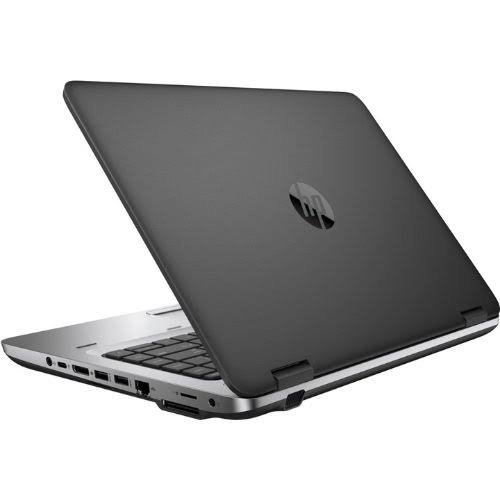
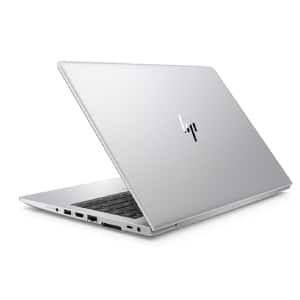
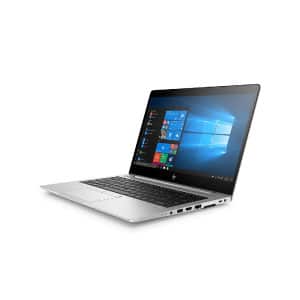
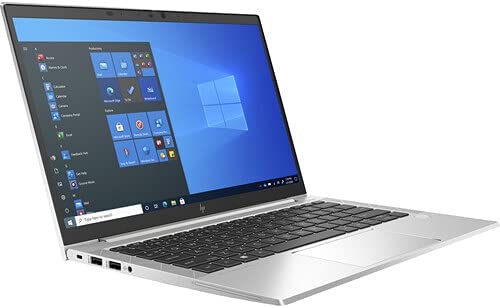
HP EliteBook and HP ProBook: these are popular student options because they are business-class laptops with strong keyboards, good build quality, and easy availability of chargers and spare parts in Kenya. They are good for assignments, online classes, research, and office work. You can compare more options on our HP laptops in Kenya page.
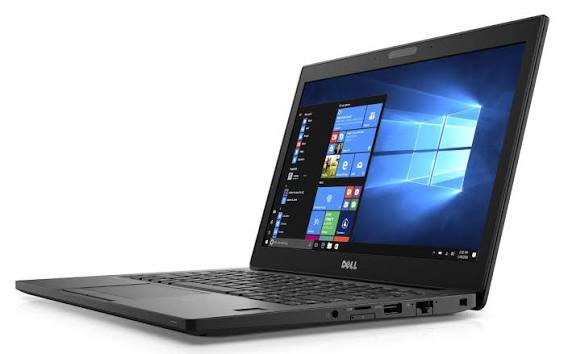
Dell Latitude: Dell Latitude laptops are known for durability and are often good for students who need a dependable laptop for daily work. They are practical for business courses, IT, school projects, writing, and browsing. For buyers comparing Dell models, see our Dell laptops in Kenya guide.
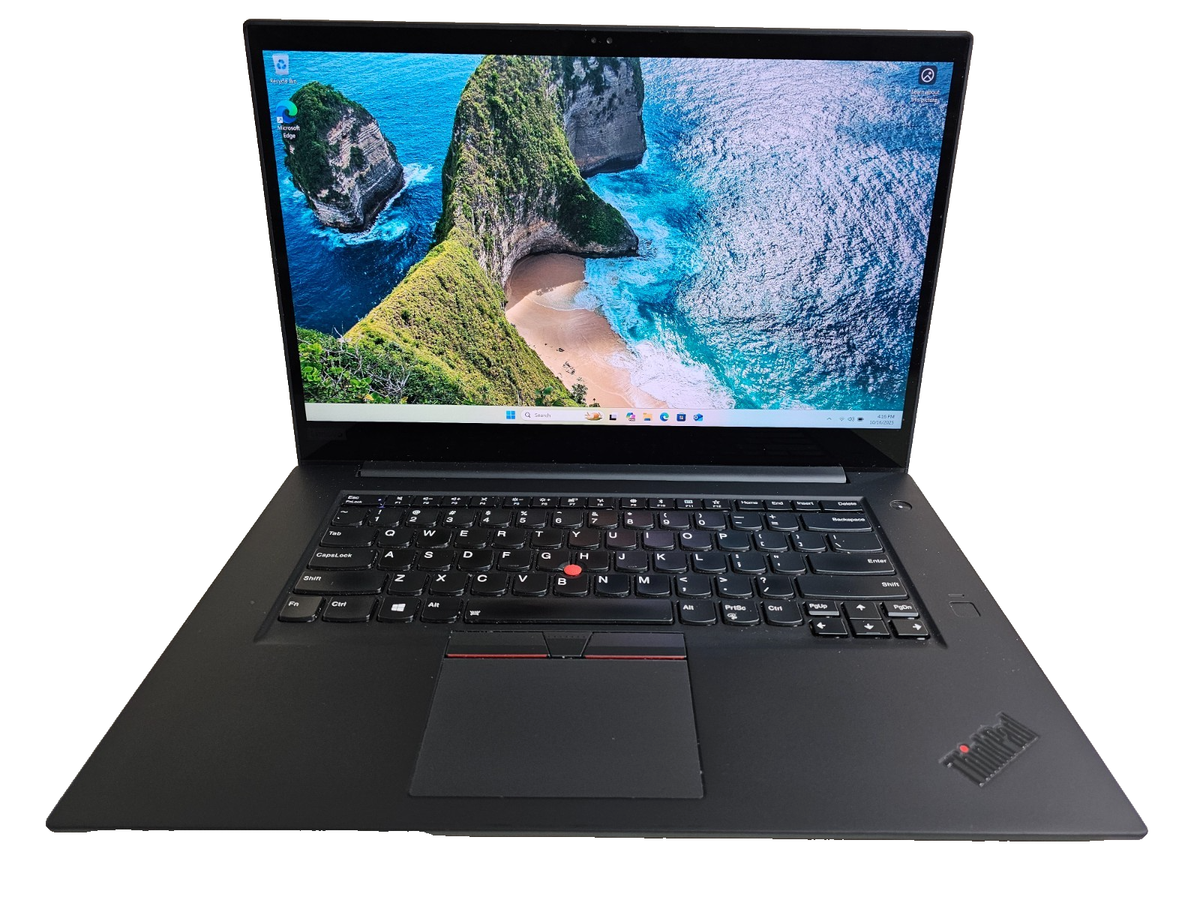
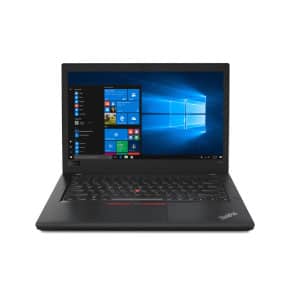
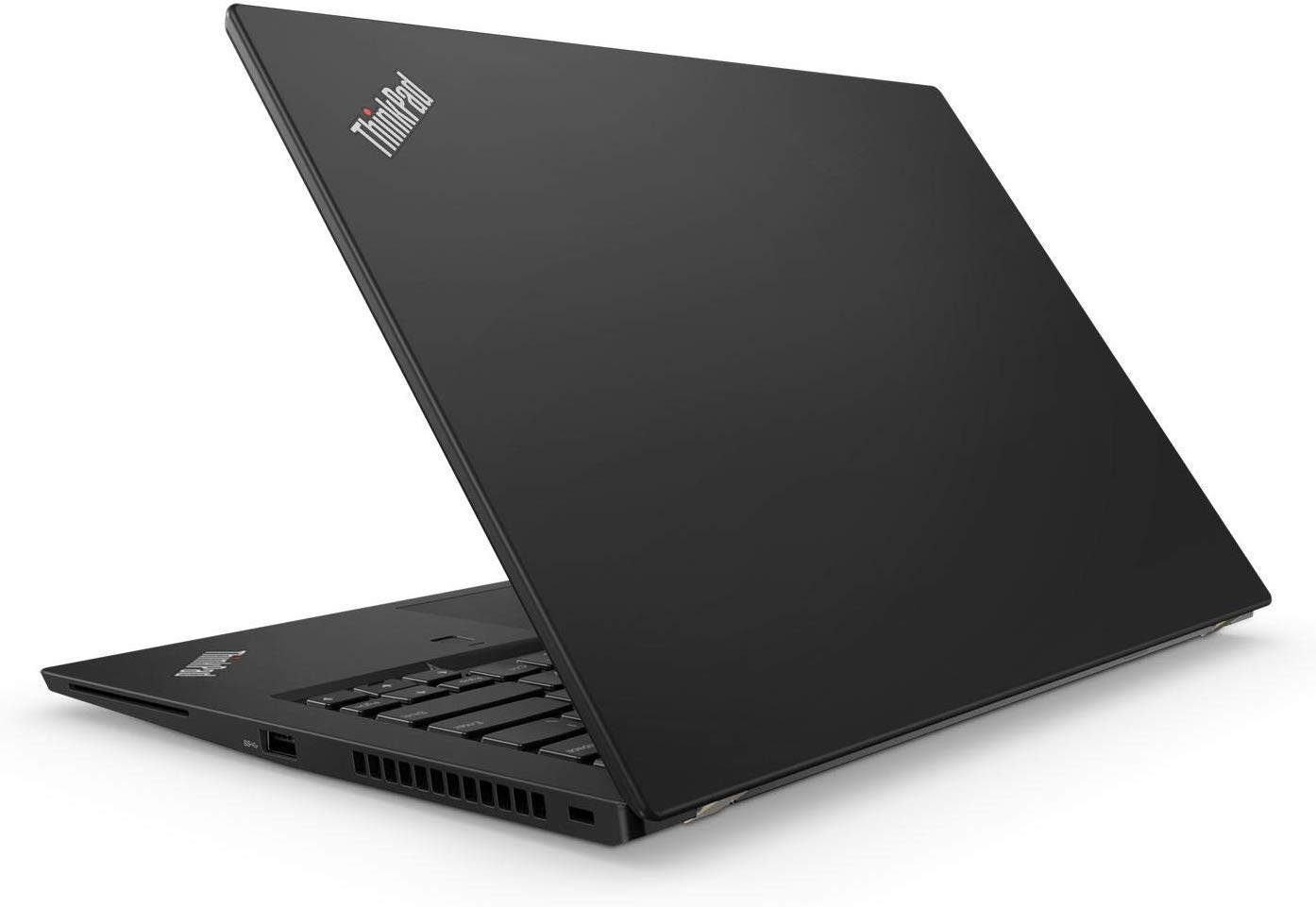
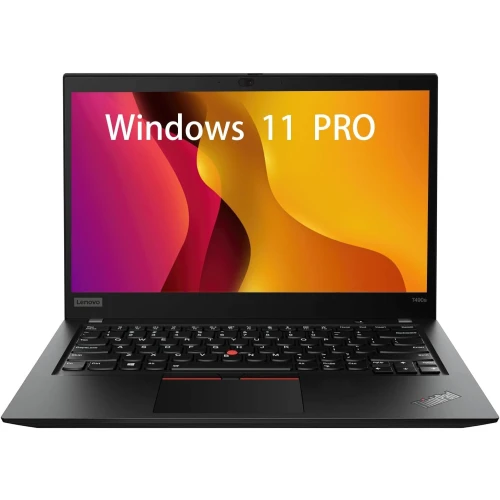
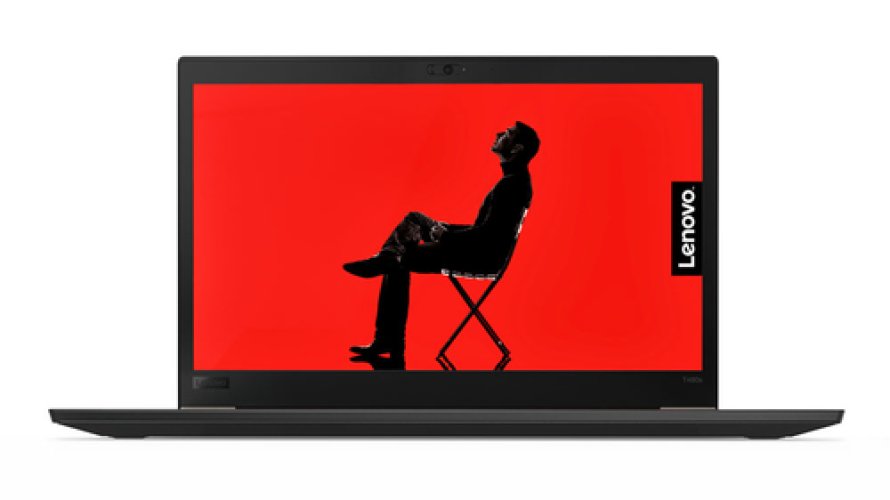
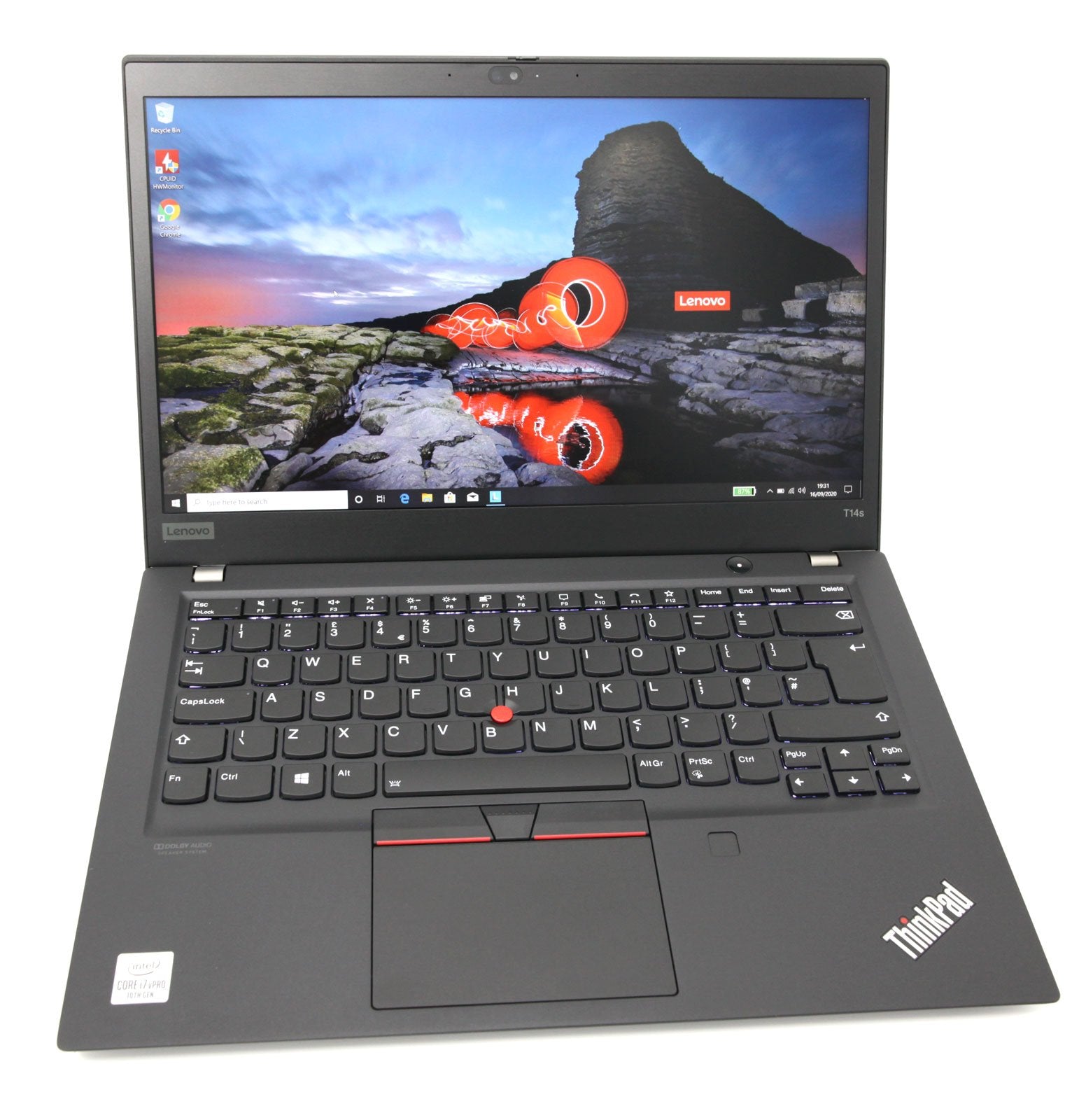
Lenovo ThinkPad and IdeaPad: Lenovo ThinkPads are loved for strong keyboards and tough design, while IdeaPads can be lighter and more affordable. ThinkPads are good for coding, research, typing, and long study sessions. Compare more choices in our Lenovo laptops in Kenya guide.
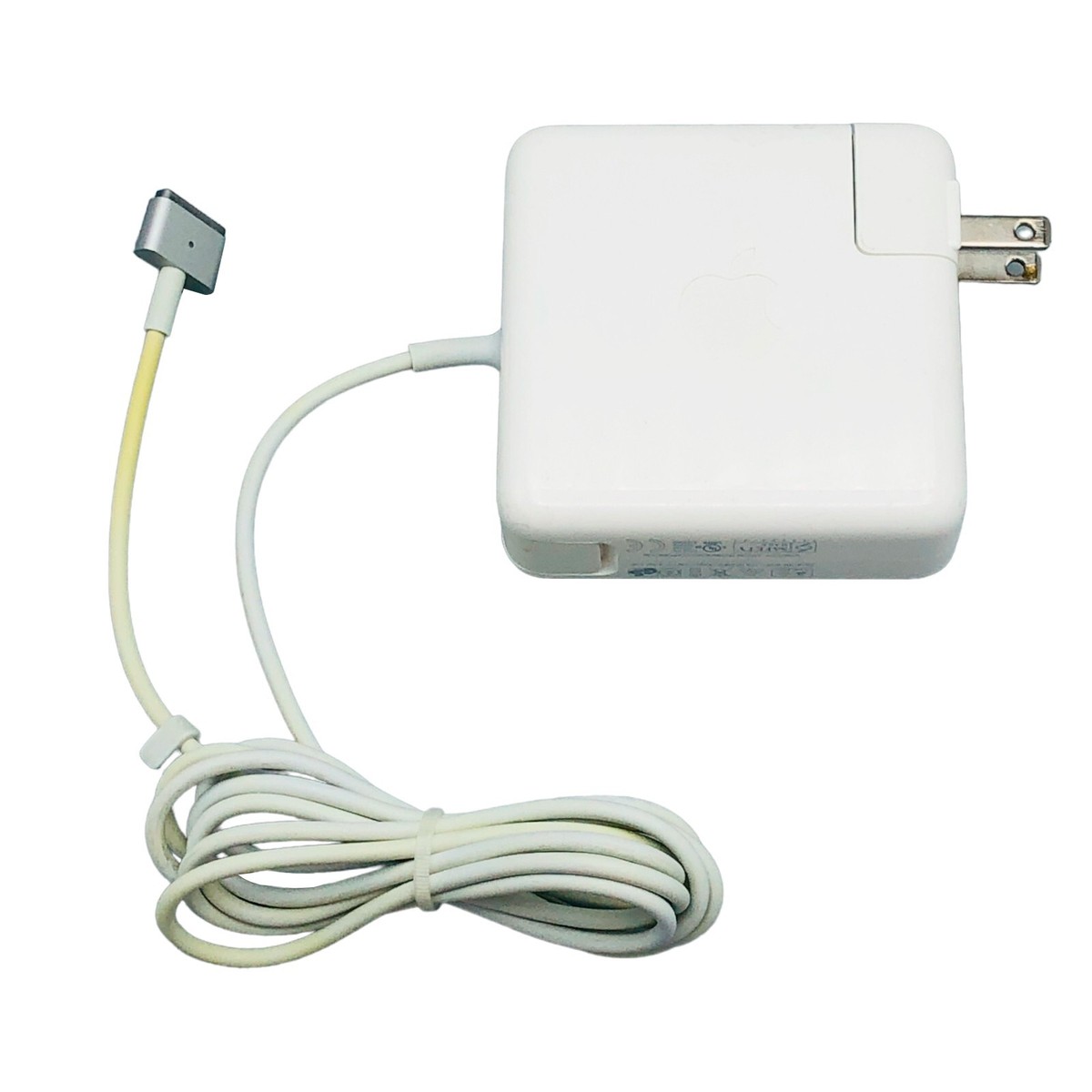
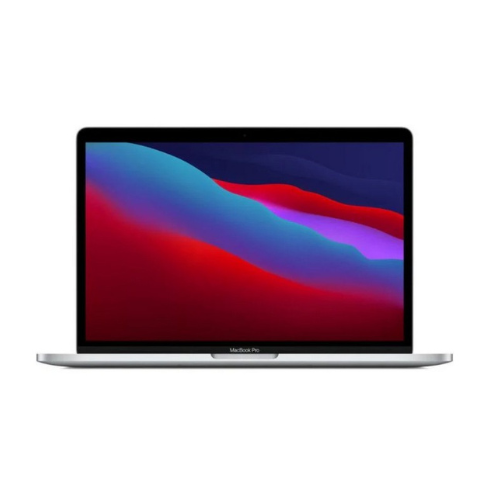
MacBooks: MacBooks can be good for students in design, media, programming, and creative work, but they usually cost more. They are best for students who already understand the Apple ecosystem or need software that works well on macOS. Before buying a used or refurbished MacBook, check battery cycle count, charger, screen, keyboard, storage, and repair history.
Best Laptops by Course
Business, education, and arts students: choose a laptop that is reliable, affordable, and comfortable for typing. A Core i3 or Core i5 laptop with 8GB RAM and SSD storage is enough for Microsoft Office, Google Docs, research, presentations, and online classes.
Computer science and programming students: choose at least Core i5, 8GB RAM, and SSD storage. If you will run heavier tools, virtual machines, Android Studio, or data projects, 16GB RAM is better. Our detailed best laptop for programming in Kenya guide can help you compare stronger coding options.
Engineering and architecture students: check the exact software your course uses. Some engineering tools need stronger processors, more RAM, and dedicated graphics. A basic laptop may work for notes and reports, but heavier software may need Core i7, 16GB RAM, SSD storage, and sometimes graphics support.
Design and media students: screen quality, RAM, processor, and storage matter a lot. If you use Photoshop, Illustrator, video editing tools, or design software, avoid very low-spec laptops. Choose at least Core i5, 8GB RAM, SSD storage, and a good display. If budget allows, 16GB RAM is better.
Medicine, nursing, and science students: most students in these courses need a reliable laptop for PDFs, online classes, notes, research, presentations, and data entry. Battery life and portability matter because the laptop may move between hostels, classes, libraries, and hospital or lab environments.
New vs Refurbished Student Laptops
Many students in Kenya choose refurbished laptops because they can get better specs at a lower price. A refurbished business laptop may have a stronger keyboard, better build quality, and better performance than a very cheap new laptop. The main advantage is value. The main risk is condition, so you must check the laptop carefully before buying.
If buying refurbished, inspect the battery, screen, hinges, keyboard, touchpad, charger, ports, webcam, speakers, and Wi-Fi. Ask about warranty and return support. A clean refurbished laptop with 8GB RAM and SSD storage can be a smart student purchase. For a deeper comparison, read our refurbished laptops in Kenya guide.
Battery Life and Portability
Battery life is very important for students because power access is not always guaranteed in classrooms, libraries, hostels, or study spaces. A laptop that only lasts a few minutes away from the charger can become stressful. Before buying, ask how long the battery lasts during normal use. A student laptop should ideally last enough time for a class, study session, or short meeting.
Portability also matters. A heavy laptop may be powerful, but it can be tiring to carry every day. If the student moves a lot, a 12-inch, 13-inch, or 14-inch laptop can be more comfortable. A 15.6-inch laptop gives a larger screen and is good for long reading and design work, but it may be heavier. Choose based on how often the student carries the laptop.
Storage: SSD vs HDD
SSD storage is one of the best upgrades for a student laptop. A laptop with SSD feels faster even if the processor is not the newest. It opens Windows faster, launches apps faster, and reduces waiting time. For students, 128GB SSD can work if most files are kept online or on external storage, but 256GB SSD is a better starting point. For design, media, or large files, 512GB SSD is more comfortable.
Old hard drives are cheaper and may offer more space, but they are slower and can make a laptop feel outdated. If your budget is tight, choose a laptop that can be upgraded later. A laptop that allows RAM and SSD upgrades can serve a student longer.
Where to Start Comparing Student Laptops
Start from the main laptops in Kenya category. If your budget is low, compare laptops under 15k in Kenya and best laptops under 20k in Kenya. If you need brand-specific help, use the HP, Dell, and Lenovo guides linked above. If your course needs coding or heavier software, use the programming laptop guide before buying.
Do not choose only from the title or price. Compare processor generation, RAM, storage, battery, screen, keyboard, charger, and warranty. Also consider repair support. A laptop that is easy to service in Kenya is usually better for a student than a rare model with hard-to-find parts.
Common Mistakes Students Make When Buying Laptops
- Buying only by price: the cheapest laptop may become expensive if it is too slow or needs repairs immediately.
- Ignoring RAM: 4GB RAM can be limiting for multitasking, especially with many browser tabs open.
- Ignoring SSD storage: a laptop with a hard drive can feel slow even with a decent processor.
- Forgetting battery health: students need mobility, so battery condition matters.
- Not checking course needs: design, programming, and engineering courses may need stronger specs.
- Ignoring warranty: after-sale support matters when buying new or refurbished laptops.
FAQs About Student Laptops in Kenya
What is the best laptop for a student in Kenya?
For most students, the best option is a Core i5 laptop with 8GB RAM and SSD storage. HP EliteBook, HP ProBook, Dell Latitude, and Lenovo ThinkPad models are common choices because they balance durability, performance, and price.
Can a student use a laptop under KSh 15,000?
Yes, but expectations should be realistic. A laptop under KSh 15,000 is best for typing, browsing, online classes, and light work. Check battery, charger, keyboard, and SSD availability before buying.
Is 4GB RAM enough for students?
4GB RAM can work for basic tasks, but 8GB RAM is better for smoother browsing, online classes, Microsoft Office, and multitasking. If possible, choose a laptop that can be upgraded.
Should students buy new or refurbished laptops?
Both can work. New laptops offer fresh condition and warranty, while refurbished laptops can offer better performance for the money. A clean refurbished business laptop with warranty can be a very practical student choice.
What laptop is best for programming students?
Programming students should aim for at least Core i5, 8GB RAM, and SSD storage. For heavier development tools, 16GB RAM is better. Check the programming laptop guide linked above for more details.
Bottom line: the best student laptop in Kenya is not always the cheapest one. Choose a laptop that matches the course, has enough RAM, SSD storage, good battery, reliable build quality, and after-sale support. A well-chosen laptop can serve a student throughout college or university without constant frustration.